
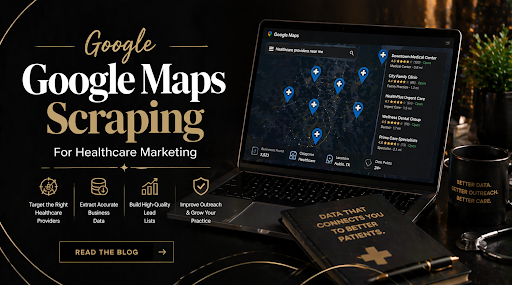
In today’s competitive healthcare landscape, reaching the right audience is more important than ever. Many marketers use tools to extract Google Maps data to build targeted databases of clinics, hospitals, and healthcare professionals. While this approach can significantly improve lead generation, it also comes with strict compliance and ethical considerations.
Understanding how to responsibly collect and use this data is essential to building trust and avoiding legal risks.
Why Healthcare Marketers Use Google Maps Data
When you extract Google Maps data, you gain access to:
- Clinic and hospital names – Helps you identify and organize healthcare providers for targeted and personalized outreach.
- Contact details (phone numbers, websites) – Essential for connecting directly with clinics, enabling communication through calls or further research via their websites.
- Locations and service areas – Allows you to understand where they operate and target specific regions for more relevant and localized marketing efforts.
- Ratings and patient reviews – Provides insights into patient satisfaction, helping you identify strengths, gaps, and opportunities to tailor your approach.
This data helps healthcare marketers:
- Identify potential partnerships – Connect with clinics, hospitals, or healthcare providers for collaborations, referrals, or service integrations.
- Promote services locally – Target specific geographic areas to market your healthcare solutions more effectively and reach the right audience.
- Improve outreach targeting – Use accurate and relevant data to segment your audience, ensuring your campaigns are more personalized and impactful.
However, healthcare is a sensitive industry, so data usage must be handled carefully.
Key Compliance Considerations
1. Follow Data Privacy Regulations
Healthcare marketing often involves strict data protection laws. Ensure you comply with:
- Local data protection regulations (like India’s Digital Personal Data Protection Act – DPDP Act) – Ensure your data collection and outreach practices comply with local laws to avoid legal risks and maintain trust.
- International laws if targeting global audiences – If you’re reaching businesses outside your country, follow relevant global regulations (such as GDPR or similar frameworks) to ensure compliant and ethical marketing practices.
Avoid collecting or using personal patient data without consent.
2. Respect Platform Terms of Use
When using tools to extract Google Maps data, ensure your methods align with platform guidelines. Misuse can lead to restrictions or penalties.
3. Avoid Misleading Outreach
Your communication should be:
- Transparent – Be clear about who you are, why you’re reaching out, and how you obtained their information.
- Honest – Avoid exaggerated claims or misleading statements; communicate your offerings truthfully to build credibility.
- Clearly identify your business – Mention your company name, services, and purpose upfront so recipients know exactly who they’re interacting with.
Avoid making exaggerated claims, especially in healthcare where trust is critical.
4. Include Opt-Out Options
Always provide recipients with a clear way to unsubscribe from your communication. This builds credibility and ensures ethical marketing practices.
Best Practices for Healthcare Data Usage
1. Focus on B2B Outreach
Instead of targeting patients directly, use your database to:
- Connect with clinics and hospitals – Build relationships with healthcare providers by reaching out to the right decision-makers and understanding their specific needs.
- Offer marketing, software, or consulting services – Position your services as solutions that can help improve their operations, patient reach, or overall efficiency.
This reduces compliance risks and improves response quality.
2. Personalize Your Communication
Generic messages don’t work in healthcare. Mention:
- Clinic name – Personalize your outreach by mentioning the clinic’s name, making your message feel direct and relevant.
- Services offered – Refer to the specific services they provide to show that you’ve done your research and understand their business.
- Location-specific insights – Include local observations or opportunities related to their area to make your pitch more contextual and impactful.
Personalization builds trust and increases engagement.
3. Use Multi-Channel Engagement
Combine different outreach methods:
- Email marketing – A scalable way to reach multiple healthcare providers with personalized messages, educational content, and follow-ups.
- Phone calls – Direct communication that helps you understand their needs quickly and build a more personal connection.
- Professional networking platforms – Ideal for connecting with decision-makers, building credibility, and nurturing relationships in a more professional environment.
This improves visibility and response rates.
4. Keep Data Clean and Updated
After you extract Google Maps data:
- Remove duplicates – Eliminate repeated entries to keep your database organized and avoid redundant outreach.
- Update outdated contacts – Refresh old or incorrect details to improve reachability and campaign effectiveness.
- Verify business information – Ensure accuracy of key data like phone numbers, websites, and addresses for reliable and professional communication.
Clean data leads to better campaign performance.
5. Add Value Before Selling
Instead of pitching immediately, offer:
- Free audits – Offer a quick evaluation of their digital presence, such as website performance or local visibility, to provide immediate value.
- Insights on online presence – Share observations about their strengths and gaps across platforms like search results, reviews, or social media.
- Suggestions for patient acquisition – Provide practical ideas on how they can attract more patients, positioning your service as a helpful solution.
This positions you as a helpful partner rather than just a seller.
Common Mistakes to Avoid
- Sending bulk, irrelevant messages – Avoid generic outreach that doesn’t address the recipient’s needs, as it reduces engagement and harms your credibility.
- Ignoring compliance requirements – Not following data protection and marketing regulations can lead to legal issues and damage your brand reputation.
- Using outdated or inaccurate data – Poor-quality data leads to failed outreach, higher bounce rates, and wasted effort.
- Not providing unsubscribe options – Failing to give recipients a way to opt out can appear unprofessional and reduce trust in your communication.
Avoiding these mistakes protects your brand reputation and improves results.
Final Thoughts
Using tools to extract Google Maps data can be a highly effective strategy for healthcare marketing—when used responsibly. The real success lies in balancing data-driven outreach with strong ethical practices and strict compliance.
By prioritizing transparency, personalizing your communication, and consistently delivering value, you can build genuine relationships with healthcare providers. Over time, this approach not only improves engagement but also supports sustainable and long-term business growth.